What a study hands you
Six documents, issued together and reconciling with each other. Three of them do the arguing.
- Study report: A technical narrative for each business component.
- QRE workpapers: By category and by employee, tied to the ledger.
- Form 6765 package: Sections A to G, with the Section G component detail.
- Form 8974: Included when the §41(h) payroll offset is elected.
- Pro-forma Form 3800: Where the credit lands in the general business credit.
- Audit-defense binder index: Every exhibit numbered and cross-referenced.
- Technical narratives
- One narrative per business component, written to the §41 four-part test and tied to the engineers who did the work.
- QRE workpapers
- Wages, supplies, contract research at the statutory rate, and cloud computing - each amount traced back to payroll and the general ledger.
- Form 6765 package
- Form 6765 (Dec. 2024 revision), Sections A-G including the Section G business-component detail; Form 8974 where a §41(h) payroll-tax election applies; and a pro-forma Form 3800 that reconciles on its face - with your §174A domestic expensing position captured alongside the credit.
Reviewed and finalized by R&D experts who stand behind the work, and backed by Audit Protection.
Two ways this usually goes wrong.
The test of a study is whether it can say this product, this process, this software, this year - and show where every number came from. Two familiar approaches struggle with that for opposite reasons.
Traditional consultants
- A questionnaire, a kickoff call, and months of quiet.
- A study you never see the inside of until it is finished.
- Qualified percentages assigned by someone who never spoke to the engineer.
Automation-only software
- A questionnaire, a classifier, and a PDF.
- Fine right up to the moment someone asks which alternatives your engineers actually evaluated.
- Nobody puts their name on the answer.
Ricerca does the third thing: the §41 tests are enforced in software before a dollar is counted, and experienced R&D experts review and finalize every study before it is issued.
- Experts finalize every study
- AI augments; people decide. Experienced R&D experts review and finalize every study before it is issued.
- Built to defend on exam
- Substantiation mapped to the four-part test and to each business component, with contemporaneous evidence - the documentation examiners actually ask for.
- Credit and §174A, captured together
- We don’t stop at the §41 credit. We capture the new §174A domestic expensing too, so you get the deduction and the credit - correctly.
Know exactly what you’re claiming - before you claim it.
Six plain-English deep dives into the statute our engine enforces, from the §41(d) four-part test to the §41(h) payroll offset. New to all of this? Start with the complete R&D tax credit guide, then go deep where it matters for you.
Photo by EnCata PD on Unsplash
If your engineers resolve technical uncertainty by experimenting, the work may qualify.
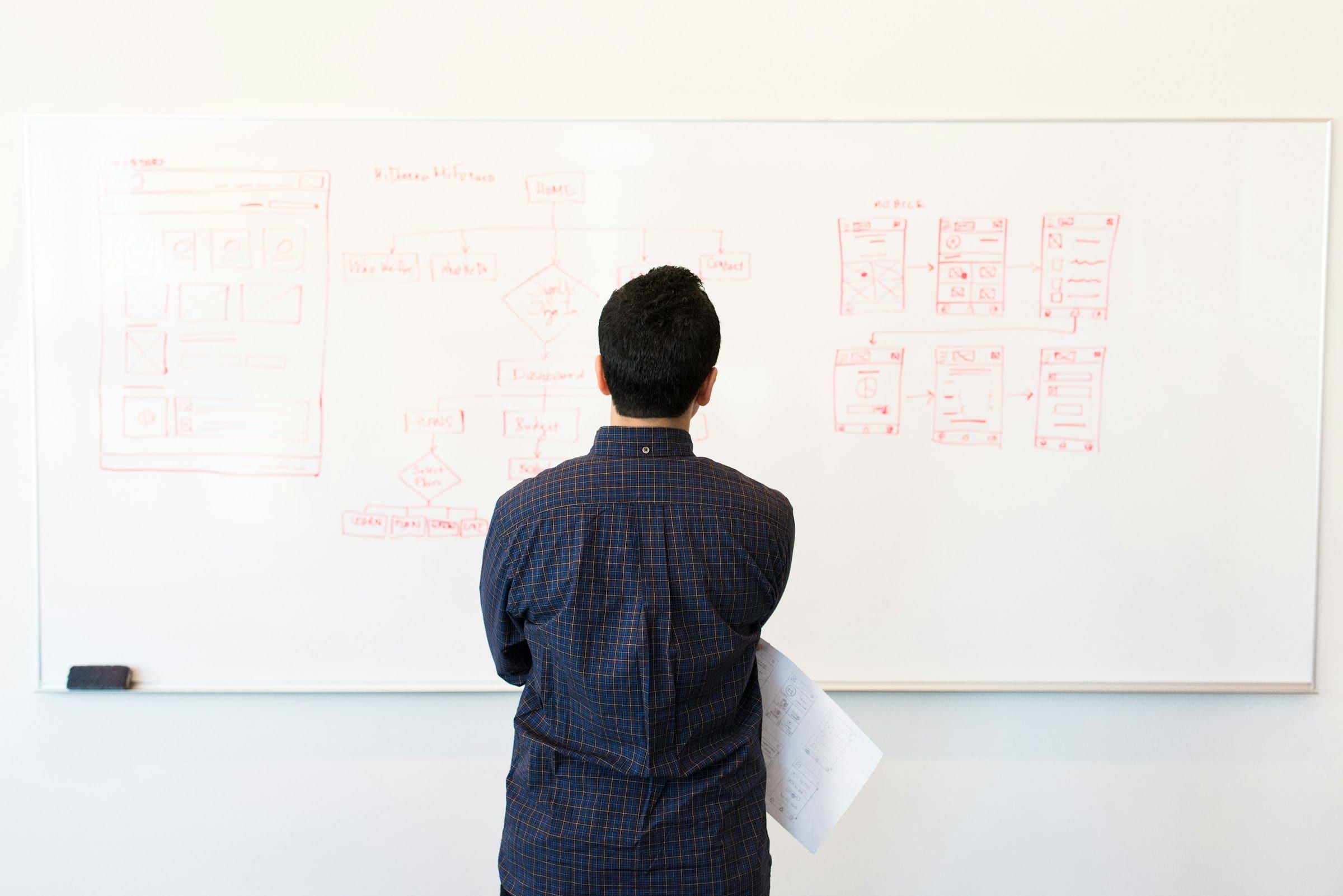
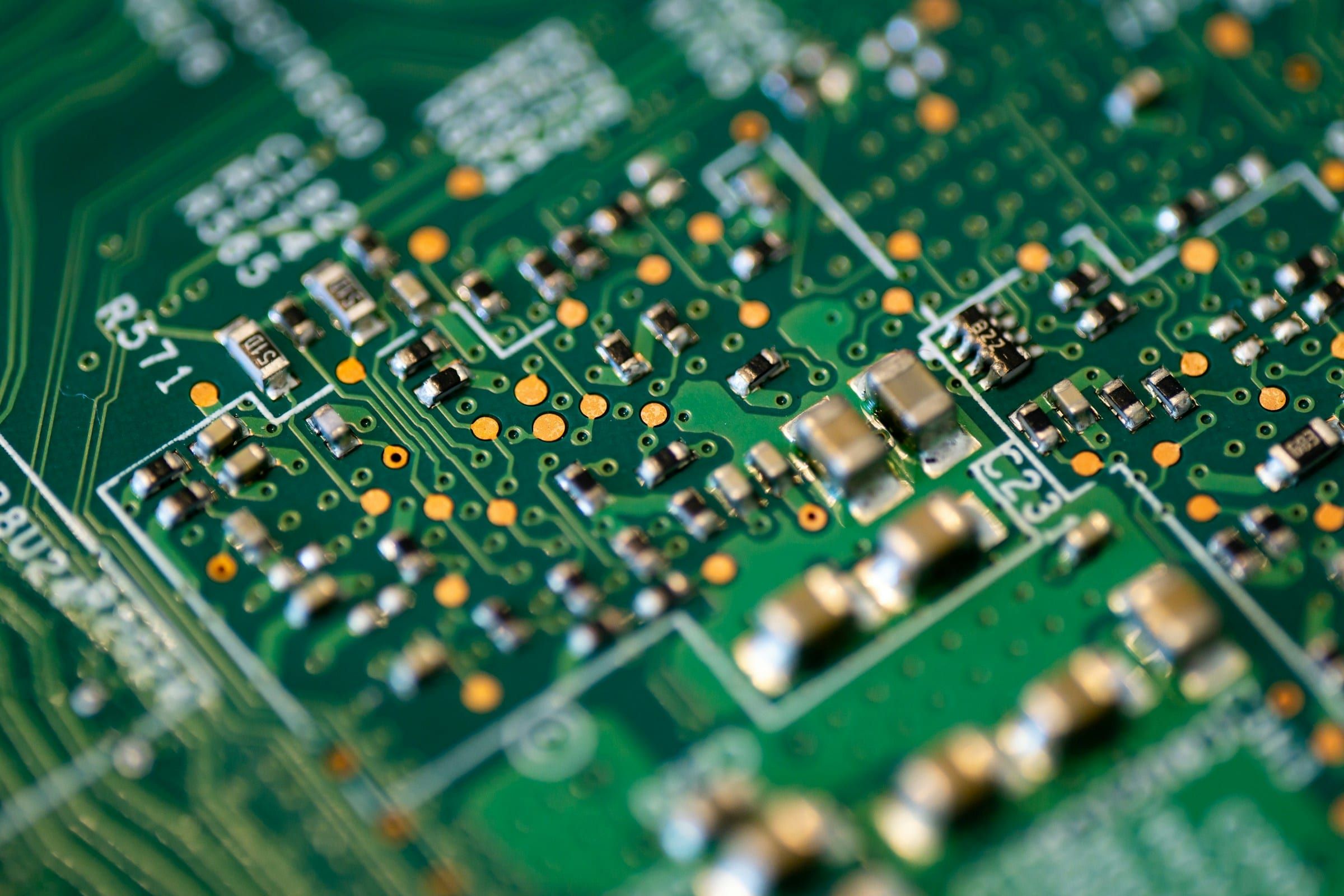
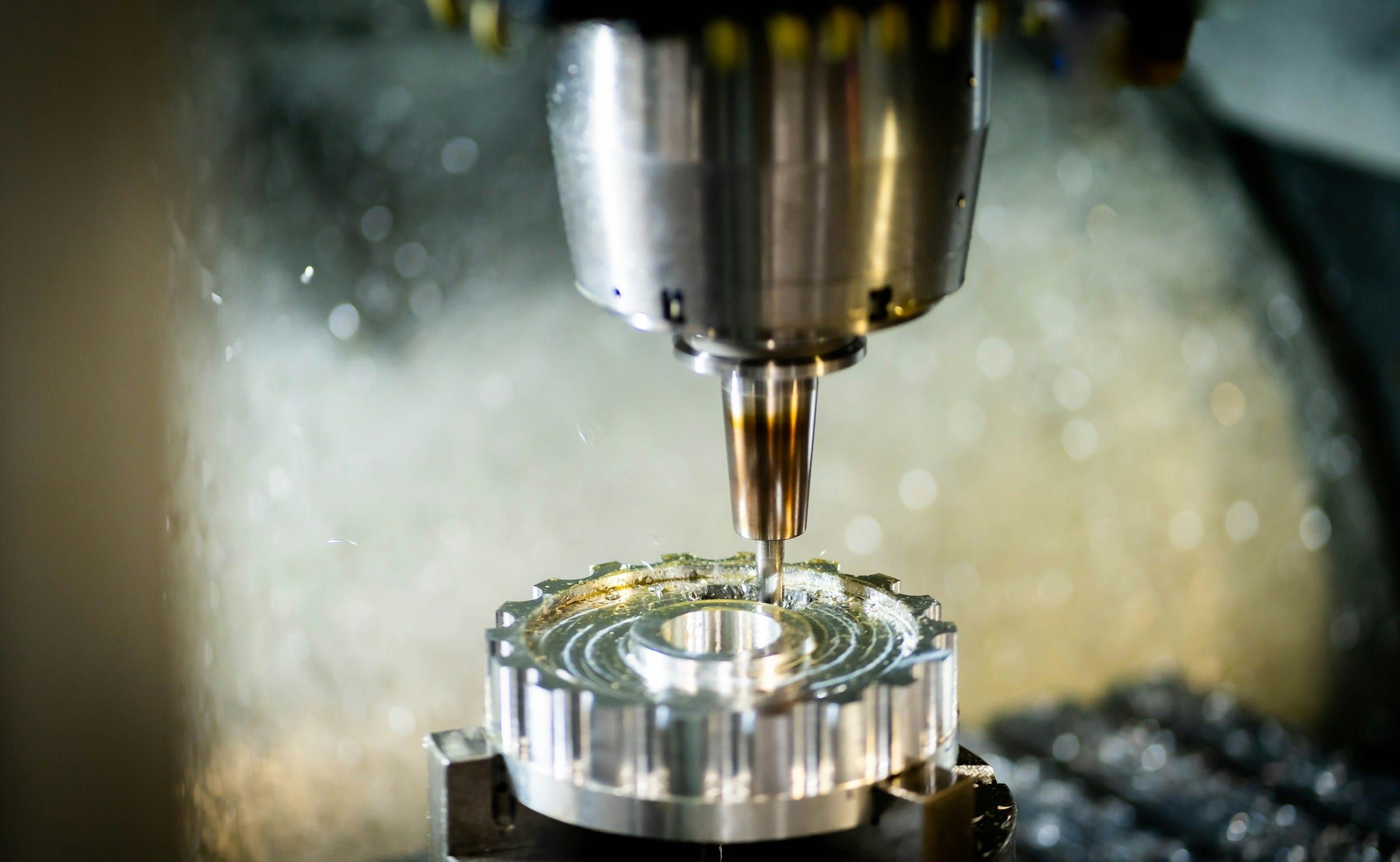
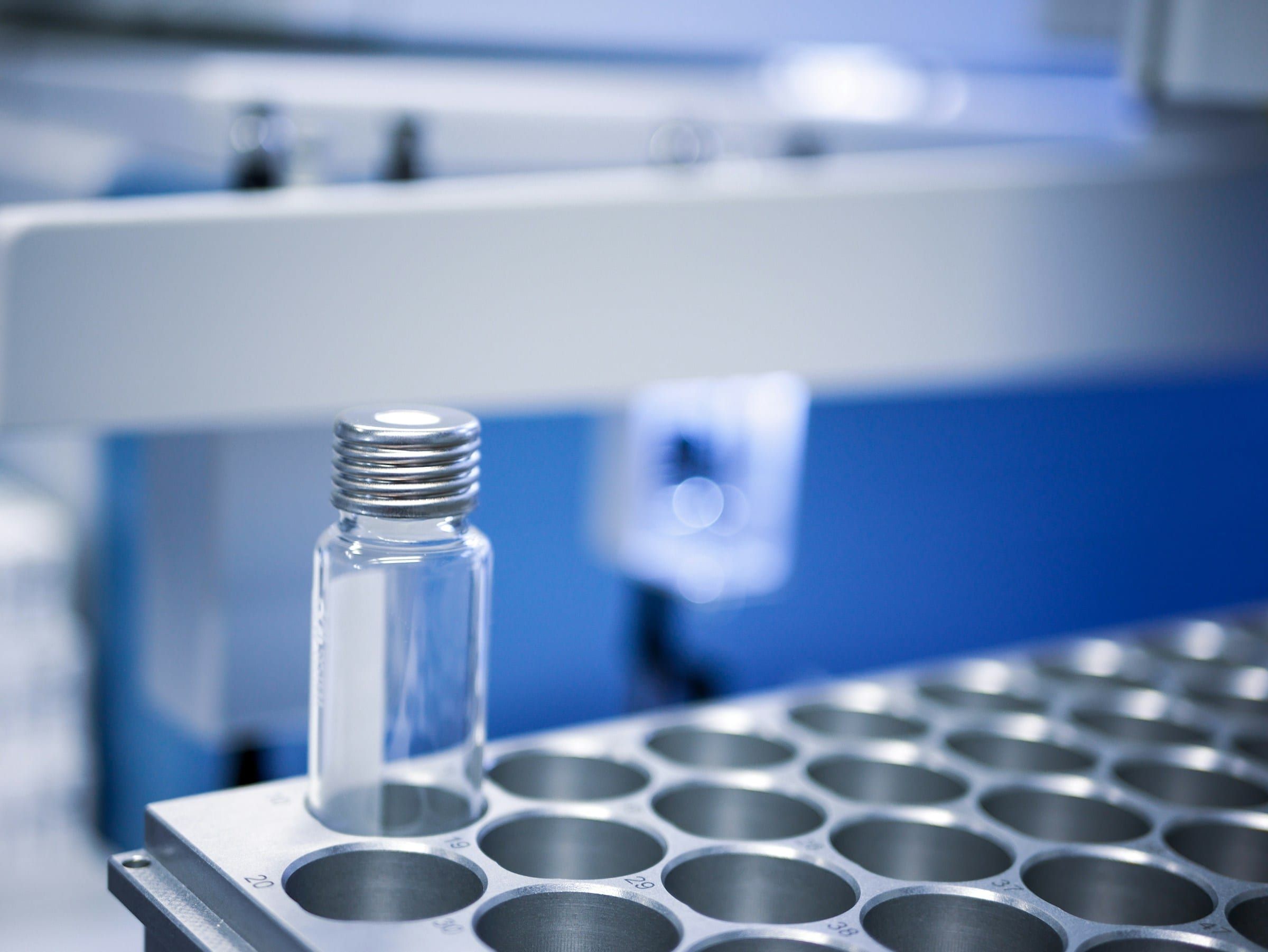
The R&D credit isn’t just for labs. We focus on the industries that chronically underclaim - see the full industries hub for how qualification actually plays out in each one.
SaaS & Software
New features, novel algorithms, AI/ML, scalability and security engineering.
Technology & Hardware
Prototyping, firmware, electronics, materials, test and validation.
Manufacturing
New and improved products and processes, automation, tooling, yield.
Pharmaceutical & Biotech
Discovery, formulation, assay development, preclinical and process scale-up.
Aerospace & Defense
Airframes, propulsion, avionics, materials, and qualification testing.
Engineering & Architecture
Structural, mechanical, civil, and building-system design that resolves technical uncertainty, not routine drafting.
Food & Beverage
Formulation, shelf-life, process, and packaging development.
Photographs by Christina @ wocintechchat.com, Magnus Engø, Jelifer Maniago, Julia Koblitz, Gábor Szűts, Marsumilae, elevatebeer on Unsplash.
We meet your data where it lives.
Ricerca pulls wages, the general ledger, and engineering evidence from the tools you already use, so intake is near-effortless and every qualified dollar traces back to source. And you can always start from a secure spreadsheet, GL, or payroll export - no integration is ever required.
- Live Connect today with a direct OAuth link
- Rolling out Connector built - being enabled now
- Planned On the roadmap
Accounting & ERP
QuickBooks Online connects directly today. The rest connect through our unified accounting connector - one secure, read-only link to your general ledger.
- Live QuickBooks Online
- Rolling out Xero
- Rolling out NetSuite
- Rolling out Sage Intacct
- Rolling out Dynamics 365 Business Central
- Rolling out FreshBooks
Payroll & HR
One secure connection reaches the major payroll and HRIS systems through one unified connector - these are the ones we see most.
- Rolling out ADP
- Rolling out Gusto
- Rolling out Paychex
- Rolling out Justworks
- Rolling out Rippling
- Rolling out TriNet
- Rolling out Workday
- Rolling out BambooHR
Engineering evidence
Contemporaneous proof of experimentation from the tools your engineers already use. Metadata only - commits, pull requests, and tickets. Never your source code.
- Rolling out GitHub
- Rolling out Jira
- Planned GitLab
- Planned Bitbucket
- Planned Linear
- Planned Azure DevOps
Don’t see your system? Tell us what you use - our connector layer reaches the major payroll, accounting, and HRIS platforms through one unified connector, and secure exports work today regardless.
All product names, logos, and brands are property of their respective owners, used for identification only; no endorsement is implied.
One engine. Federal, state, payroll offset, and §174A.
Behind the study is a purpose-built engine: it enforces the §41 tests before counting a dollar, computes the full benefit stack from one substantiated base, and challenges its own work before experts finalize.
- Both credit methods, compared
- Regular Credit and Alternative Simplified Credit computed side by side - with the §280C(c) reduced-credit election modeled - so you file the stronger supportable result.
- Payroll offset for startups
- Qualified small businesses may apply up to $500,000 a year of the credit against employer payroll taxes under §41(h), claimed on Form 8974.
- §41(f) controlled groups
- Related entities aggregated as one taxpayer, with the credit allocated across members - documented in its own statement.
- State credits, same base
- State R&D credits computed from the same substantiated QREs, with each state’s own rules applied.
- Filing-ready forms
- Form 6765 (Dec. 2024 revision, Sections A-G), Form 8974, and a pro-forma Form 3800 that reconcile on their face.
- Adversarial AI review
- An independent AI examiner red-teams every study, a second model family runs QC - and experts make the final call.
- Source systems: Payroll and HRIS; Ledger and engineering tickets.
- Evidence: Time and cost records; Contemporaneous project records.
- Component narratives: One per business component; Four-part test applied to each.
- QRE workpapers: By category and by employee; Tied to the ledger accounts.
- Form 6765 lines: Section A or B, and Section G; Each line tied to a workpaper.
- Audit-defense binder: Indexed exhibits per component; Provenance for every figure.
- Every number traces back to a source row
How we use AI - and what stays human
AI accelerates intake, document parsing, activity identification, narrative drafting, and QRE computation. But qualification, amounts, and the final call are decided by people. Our R&D experts review and finalize every study before it’s issued.
See the processSerious about your data
Encryption in transit and at rest, least-privilege access, data minimization, and a clear retention policy. Your confidential data is never used to train public or third-party AI models.
Our security approachA rigorous study, without the drag.
AI compresses the busywork; our R&D experts ensure the rigor. Most of the lift happens behind the scenes.
- Scope and connect. What we need from you: Entity, tax years, and who owns the technical work. What you get: A scoped engagement and a connection plan.
- Intake and data pull. What we need from you: Access to payroll, the ledger and ticketing. What you get: Your own data pulled, reconciled and mapped.
- Identify and interview. What we need from you: Short interviews with each technical lead. What you get: A business component list with named owners.
- Narratives and QRE computation. What we need from you: Confirmation of the component list. What you get: Draft narratives and a QRE workpaper.
- Adversarial AI review and expert finalization. What we need from you: Answers to the questions the review raises. What you get: A finalized position signed off by our R&D experts.
- Deliver and file support. What we need from you: Your preparer and their filing dates. What you get: The study, the workpapers and the 6765 line map.
- Pace is set by how fast your data lands, not by a calendar we hand you.
Built on the standards examiners look for
Every study is structured around the authorities the IRS actually applies - not marketing claims. If you want the detail, the documentation guide walks through what an examiner requests and why.
- IRC §41(d) four-part test
- Applied to every activity, in every business component.
- Treas. Reg. §1.41-4 + §6001
- What qualifies as research - and the records you must keep to prove it.
- Form 6765 (Dec. 2024 revision)
- Including the new Section G business-component detail.