
Built by R&D experts for companies doing the work
Ricerca is Italian for research. We picked the name because that is the whole job: finding the research inside a company’s ordinary year of work, and proving it well enough to survive a reading by someone paid to be skeptical.

Two bad options
We started Ricerca on one conviction: an R&D tax credit study should be fast and defensible. Until recently you picked one.
Every company we talked to had been offered the same pair of trade-offs, and neither one produces a study that is quick to build and holds up under examination.
Traditional consultants
Real expertise, delivered slowly. Months of interviews and email chases, a fee whose basis you never see, and a study you never see the inside of.
Automation-only software
Fast and cheap, and thin where it counts: activities missed because nobody asked the follow-up question, and documentation that reads like a form letter to the one reader who matters.
AI does the volume, people do the judgment
Machines are good at the parts of a study that are large and repetitive: reading payroll and ledger exports, matching engineering activity to projects, drafting first-pass narratives, running the computation both ways. That work used to consume most of the fee and most of the calendar.
People are good at the parts that decide whether a claim holds: what counts as a business component, where the technical uncertainty actually was, which costs are in and which are out, and how much of a gray area is worth claiming. Our R&D experts make those calls, and review and finalize the study before it is issued, with substantiation mapped to the four-part test and each business component, and backed by Audit Protection.
The rules moved in 2025, so we work both sides of the same base: the §41 credit and the §174A domestic R&E deduction restored by the One Big Beautiful Bill Act (OBBBA). And because the companies doing that work often own the buildings they do it in, we prepare cost segregation studies too, each one reviewed and approved by a CPA.
What sets a Ricerca study apart
Six things we do differently. Each one links to the page that shows you the substance behind it.
Expert-finalized studies
Experienced R&D experts review and finalize every R&D study before it is issued, and every cost segregation study is reviewed and approved by a CPA. Software drafts; people sign off.
Audit Protection included
If the IRS examines the R&D claim, we prepare the response and defend the study’s technical position, limited to the R&D study and credits.
Human-in-the-loop by design
AI compresses intake, parsing, and drafting. Every qualification call and every dollar of QRE is a human decision.
Substantiation, not summaries
Evidence is mapped to each business component and to the four-part test of IRC §41(d), the way an examiner reads a study.
Confidentiality enforced in code
Taxpayer-identifying data is redacted before AI processing, connectors are read-only, and your data never trains public models.
Current on §174A
Domestic R&E expensing came back as §174A under OBBBA. We capture the deduction and the credit together, not one this year and the other next.
Three commitments you can hold us to
Not values-poster material: these are the rules we apply when a study gets difficult.
- Say less, not more
- §41 is fact-specific. Where the law is genuinely uncertain we hedge in writing rather than sell certainty we cannot support, because an aggressive number you cannot defend is not a benefit.
- Show the work
- Every figure in a Ricerca study traces to a source: a payroll record, a ledger line, a ticket, a person. If we cannot show where a number came from, it does not go in the study.
- Stand behind it
- Audit Protection is included with every R&D study, not sold as an upgrade. Preparing the defense is part of preparing the claim.
The companies doing the work, and the buildings they do it in
Companies whose engineers spend the year resolving things nobody had a settled answer for. §41 never mentions an industry; these are four of the eight we have written the evidence patterns down for in full.
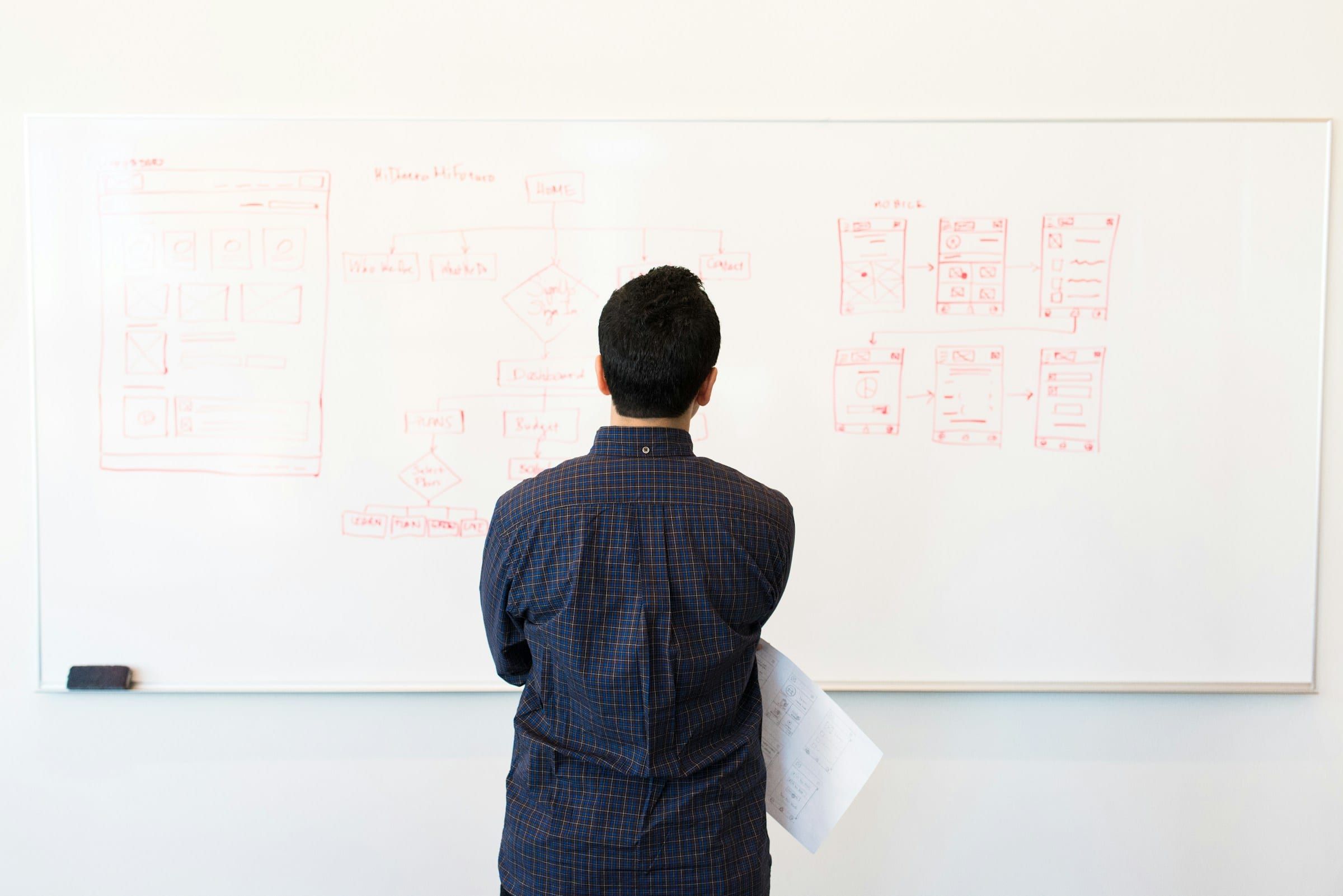

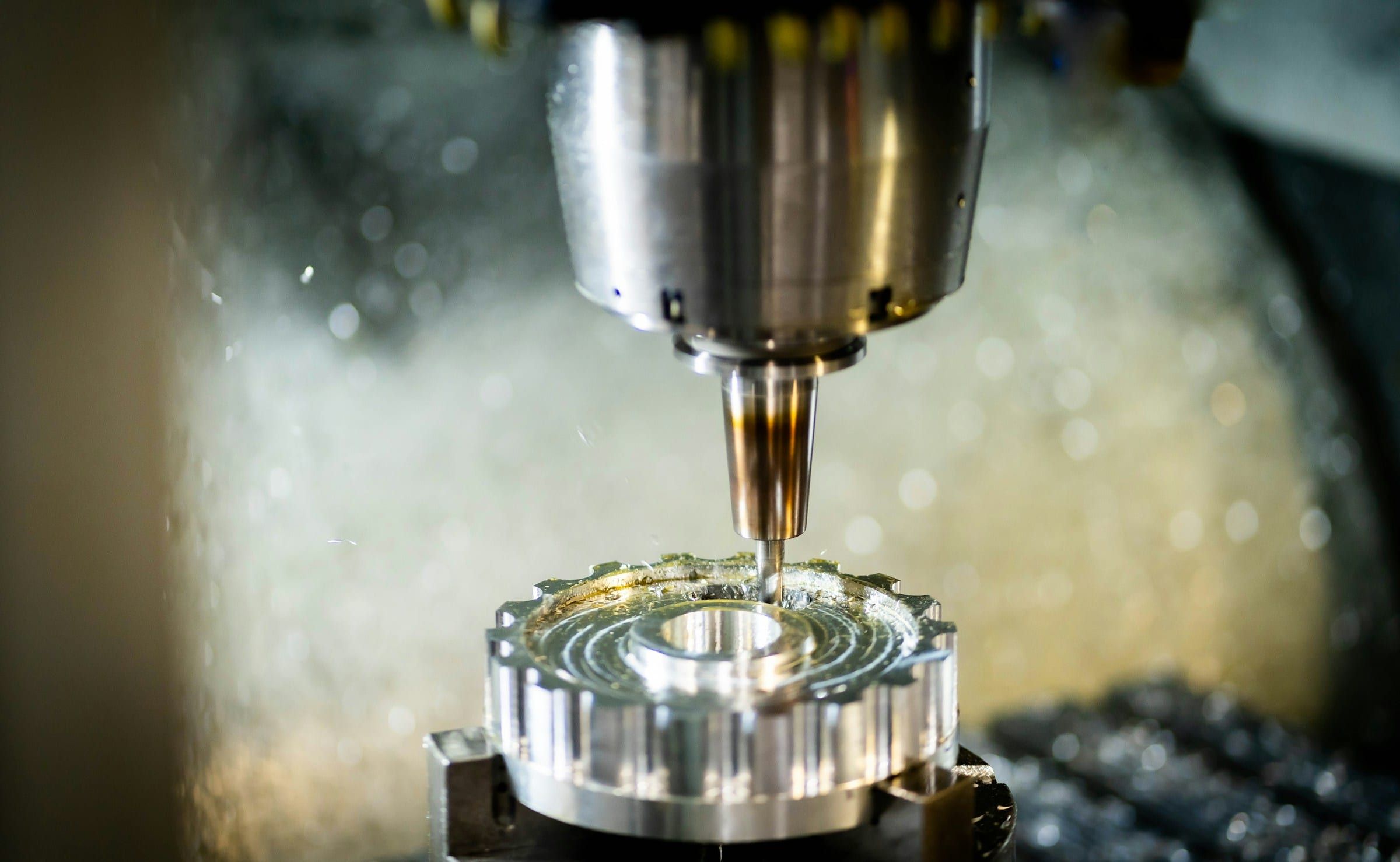

Photographs by Christina @ wocintechchat.com, Magnus Engø, Jelifer Maniago, Marsumilae on Unsplash.
Own the building?
Pre-revenue startups included: a qualified small business may be able to apply part of the credit against payroll tax under §41(h) instead of waiting for taxable income. Not sure where you fit? Start with our services.
The company behind Ricerca
Ricerca is owned and operated by Francette, LLC, a Pennsylvania limited liability company, founded in 2025. We serve companies anywhere in the United States, and we are not a law firm.
Questions, partnerships, security reviews, or press: [email protected]. We typically reply within one business day. Already working with us? Sign in to your portal.
How pricing works
- R&D credit study
- After the free assessment you get a written quote before any work begins. The quote is fixed at engagement-letter signature, and there is no obligation to go ahead.
- Cost segregation study
- A fixed fee, quoted after the free assessment once we know the property, its size and the records available. Never a percentage of the deduction.


Why there are no stock team photos here
No client logos we haven’t been given permission to use. No star ratings we can’t show you the source of. No credentials we don’t hold. A firm that will invent proof on its own website will invent it in your study, and a study built on invented proof is exactly the kind that fails an examination.
What we publish instead is the method: how a study is built, what it is built to withstand, and where the limits of our promises are.
This page is for general informational purposes only and is not tax, legal, or accounting advice. The R&D tax credit and §174/§174A rules are complex and fact-specific; eligibility and benefit vary by taxpayer. Any figures shown are illustrative. Consult a qualified professional before acting. Use of this site does not create an accountant-client or attorney-client relationship.
Let’s see what your work is worth
Tell us about the work your team did this year, or the building you own. We come back with what a study could capture and a written quote, free and with no obligation.